Why This Mushroom Cultivation Guide Matters
This mushroom cultivation guide exists because most online resources are either too basic or too scattered. You'll find some good tips here and there, but rarely a complete mushroom cultivation guide that walks you through every stage with real depth. That's exactly what this guide delivers. From your first spore syringe through advanced extraction techniques, every topic is covered with practical, hands-on detail.
Mushroom cultivation is learnable. It isn't mysterious or reserved for experts. With the right mushroom cultivation guide, proper supplies, and patience, anyone can grow mushrooms successfully at home. The success rate for new growers using quality grow kits and following proven methods regularly exceeds 80%. That's a remarkable rate for any agricultural pursuit.
This mushroom cultivation guide assumes nothing about your experience level. Whether you're growing your first batch or refining advanced techniques, the content scales with your knowledge. Beginners can focus on the cultivation fundamentals section. Intermediate growers will benefit from the strain selection and inoculation details. Advanced cultivators will find value in the extraction and research methodology sections.
Beyond cultivation, this guide covers functional wellness applications. Daily Bliss supplements represent one direction the mushroom journey takes. Understanding how cultivation, extraction, and wellness connect creates a complete picture. This mushroom cultivation guide ties everything together — growing, processing, and using mushrooms for their full potential.
Quality supplies matter enormously in mushroom cultivation. The difference between premium all-in-one mycology bundles and budget alternatives shows up immediately in your results. Fullsend Organicks specializes in cultivation supplies trusted by growers worldwide. As you work through this mushroom cultivation guide, having reliable supplies eliminates one major variable from your success equation.
Ready to start your mushroom cultivation journey? Browse complete cultivation supplies at Fullsend Organicks, including beginner grow kits and professional bundles.
Mushroom Cultivation Guide: Core Methods
Every mushroom cultivation guide must start with substrate. Your substrate is the growing medium that feeds your mushrooms. Common options include manure-based substrate, hardwood, straw, and grain. Each substrate suits different species. Manure mixes work brilliantly for many cubensis strains. Hardwood favors gourmet species like Lion's Mane and Reishi.
Sterilization is the next cultivation step. Raw substrate contains competing organisms that will overwhelm your mushroom culture. Pressure cooking at 15 PSI for 2.5 hours kills these competitors. Many growers skip this step by purchasing pre-sterilized grain spawn — saving hours of work while reducing contamination risk dramatically.
Inoculation Methods in This Cultivation Guide
Inoculation transfers your mushroom culture into the substrate. The two main methods are spore syringes and liquid cultures. Spore syringes contain millions of spores in sterile water. Inject them into your substrate and mycelium grows from germinated spores. Liquid cultures contain living mycelium and colonize 2-3 times faster than spores.
Both methods work. Beginners often start with spores versus liquid culture comparison to understand which fits their goals. Spores are cheaper and more accessible. Liquid cultures colonize faster and resist contamination better. This mushroom cultivation guide recommends spores for first-time growers and liquid cultures for experienced cultivators wanting faster results.
Environmental Control During Cultivation
Temperature, humidity, and fresh air exchange determine cultivation success. During colonization, keep substrate between 70-78°F for most cubensis strains. Fruiting requires temperatures around 65-75°F with humidity at 85-95%. All-in-one grow bags handle these variables automatically through their integrated filter system.
Fresh air exchange prevents CO2 buildup that stunts fruiting. Fanning your fruiting chamber 2-3 times daily provides adequate FAE for most home setups. Advanced growers build dedicated fruiting chambers with humidity monitors, exhaust fans, and full environmental controls. This mushroom cultivation guide covers both approaches — start simple, advance as you learn.
Contamination prevention requires sterile technique throughout cultivation. Clean your workspace before inoculation. Flame sterilize injection points. Work quickly to minimize exposure time. Inoculation jars with self-healing injection ports simplify the process significantly while reducing contamination risk.
Get cultivation supplies: All-in-one grow bags, sterilized grain spawn, and manure substrate from Fullsend.
Strains in This Mushroom Cultivation Guide
Mushroom strains are genetic variations within species. This mushroom cultivation guide focuses on proven, reliable strains that perform well for both beginners and experienced growers. Golden Teacher is the foundational beginner strain — forgiving, reliable, and educational. The Golden Teacher history traces back decades of careful cultivation.
Beyond Golden Teacher, this cultivation guide covers diverse genetics. Hillbilly genetics offer different growth characteristics. Jedi Mind Fuck presents intermediate challenge with rewarding results. Pesh Hawaiian brings tropical genetics. Thai Pink Buffalo rounds out a strong intermediate selection.
Beginner Strain Recommendations
This mushroom cultivation guide recommends Golden Teacher for absolute beginners. The strain colonizes reliably, fruits abundantly, and provides clear visual feedback during growth. You'll see colonization progress clearly. You'll recognize healthy growth versus contamination quickly. These visual cues teach you mushroom cultivation faster than any text-based guide.
Oyster mushrooms also work brilliantly for beginners. They grow on diverse substrates including coffee grounds and cardboard. Contamination resistance is excellent. Yields are heavy. If your goal is harvesting mushrooms quickly with minimal equipment, oysters belong in this mushroom cultivation guide as a top recommendation.
Advanced Strains for Experienced Growers
After mastering beginner strains, experienced cultivators progress to more challenging genetics. True Albino Melmac offers unique morphology. WFT (Wave Of Fear/Trinity) isolates demand precision but reward expertise. Lion's Mane liquid culture opens functional mushroom cultivation for cognitive support.
Strain selection affects every aspect of your cultivation. Colonization speed, contamination resistance, fruiting temperature, yield per flush — all vary by strain. Documenting your strains alongside cultivation results creates personal data about what works in your specific environment. After 3-5 grows of different strains, you'll know which genetics match your setup.
Quality strains for cultivation: Golden Teacher, Hillbilly, JMF, and more at Fullsend Organicks.
Wellness in This Mushroom Cultivation Guide
This mushroom cultivation guide includes functional wellness because growing and using mushrooms naturally connect. Once you've cultivated quality mushrooms, the next question becomes: how do you use them? Daily Bliss supplements represent one answer — premium functional mushroom blends combining six species in proper extracts.
Functional mushrooms differ from cultivation-focused species. Understanding active versus functional mushrooms matters when selecting strains for wellness use. Lion's Mane supports cognitive function. Reishi promotes restful sleep. Cordyceps boosts energy. Turkey Tail supports gut health. Each functional mushroom serves distinct wellness goals.
Cultivation for Wellness Applications
Growing functional mushrooms requires the same cultivation principles covered earlier in this mushroom cultivation guide. Substrate preparation, inoculation, environmental control, and harvest — all apply. The difference is in strain selection and processing. Functional mushrooms are typically dried and extracted rather than consumed fresh.
The mycelium versus fruiting body distinction matters enormously for wellness. Fruiting bodies contain concentrated bioactives. Mycelium contains different compound profiles. Quality supplements use fruiting body material. Budget supplements often use mycelium grown on grain, then sold without separating the grain from the mushroom material — diluting the active compounds significantly.
Extraction Connects Cultivation to Wellness
This mushroom cultivation guide will cover extraction in the next section. For wellness applications, extraction is essential because mushroom cell walls contain chitin — a compound your body cannot digest. Without extraction, you're consuming mushroom material without accessing the bioactives inside. Proper extraction unlocks these compounds for absorption.
Whether you cultivate your own functional mushrooms or purchase premium products like Daily Bliss, understanding the extraction process helps you evaluate quality. Hot water extraction handles polysaccharides. Alcohol extraction captures other compounds. Dual extraction combines both methods for comprehensive bioactive recovery.
Functional mushroom wellness: Explore Daily Bliss supplements featuring six fruiting body mushrooms, or grow your own with Lion's Mane liquid culture.
Extraction Methods in This Cultivation Guide
Extraction transforms raw mushrooms into concentrated bioactive products. This mushroom cultivation guide covers the three main extraction methods: hot water, alcohol, and dual extraction. Each method extracts different compounds from your cultivated mushrooms. Combining methods maximizes the full spectrum of bioactives available.
Hot water extraction breaks down chitin cell walls and dissolves water-soluble compounds including beta-glucans and polysaccharides. Simmer dried mushrooms in water at 160-180°F for 2-3 hours. The mushroom material softens significantly and the water darkens. Strain the liquid — that's your hot water extract. Reduce it further by simmering to concentrate the final product.
Alcohol Extraction Methods
Alcohol extraction captures compounds that water cannot access. Combine dried mushrooms with 40-60% alcohol in a sealed container. Macerate for 2-4 weeks with occasional agitation. Strain the resulting tincture. Many mushroom resources cover specific maceration techniques and alcohol strength selection.
Dual extraction combines hot water and alcohol methods. Extract with hot water first. Use the spent material for alcohol extraction. Combine both extracts. This captures both water-soluble and alcohol-soluble compounds. Daily Bliss supplements employ dual extraction to ensure complete bioactive recovery from each mushroom species.
Powder and Standardization
Powder creation offers an alternative to liquid extracts. Dry mushrooms completely (below 10% moisture). Grind to fine powder. Store in cool, dark, dry conditions. This mushroom cultivation guide notes that powder bioavailability improves significantly when combined with extraction — making "extract powders" superior to simple ground mushroom material.
Standardization ensures consistent results. Record your starting material weight. Document extraction time and method. Measure final yield. After several batches, patterns emerge — you'll identify which methods produce the most potent results from your cultivated mushrooms.
Quality extraction products: Daily Bliss uses dual extraction methodology. Learn more from our extraction resources.
Beyond This Mushroom Cultivation Guide
This mushroom cultivation guide covers foundational through intermediate methods. Beyond this material lies advanced mycology — agar work, isolate creation, genetic preservation, and research methodology. These advanced topics build on cultivation fundamentals. Without solid cultivation skills, advanced work becomes impossible.
Agar plates enable single-strain isolate creation. Tissue isolation captures specific genetic lines. Liquid culture expansion preserves these isolates indefinitely. The future of fungi involves continued advancement in these techniques, opening new applications for mushroom cultivation.
Building Cultivation Expertise
Becoming an expert cultivator takes time and repetition. This mushroom cultivation guide gives you the framework. Quality supplies from Fullsend Organicks give you reliable inputs. Practice and documentation give you experience. Combined, these elements transform any motivated learner into a competent mycologist.
Reading additional resources expands your knowledge beyond what any single mushroom cultivation guide can cover. Visit Fullsend's mushroom resources for additional articles. Check the FAQ section for common cultivation questions. Each resource adds depth to your cultivation knowledge.
The Cultivation Community
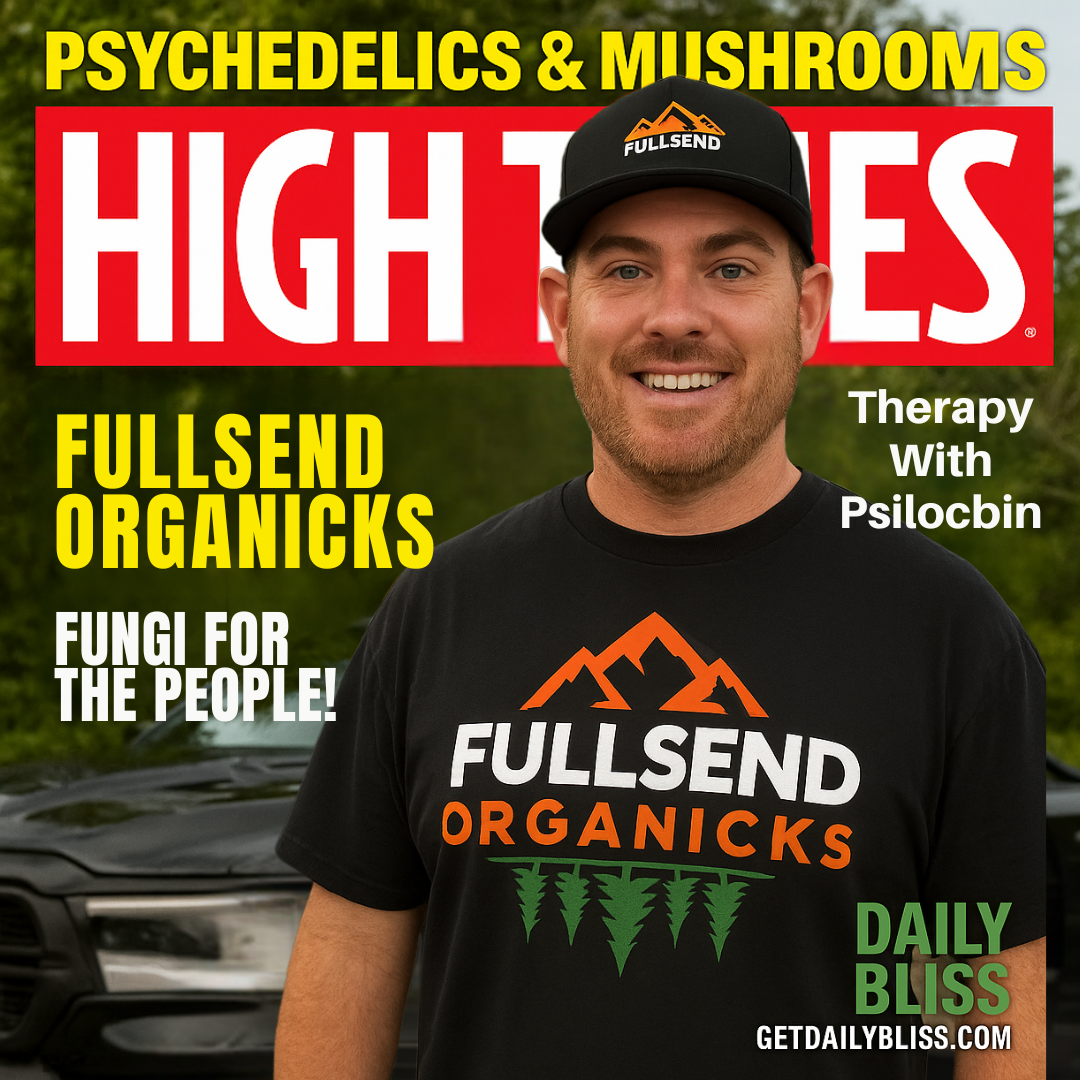
Mushroom cultivation thrives because of community. Growers share techniques, troubleshoot problems together, and preserve genetic diversity. Joining this community accelerates your learning dramatically. Nick Baum's published work in High Times and Reality Sandwich represents this community contribution — sharing knowledge freely.
This mushroom cultivation guide is one resource among many. The best cultivators read widely, experiment carefully, and document everything. Whether your goal is personal cultivation, functional wellness through Daily Bliss supplements, or advanced research, the foundation is the same: master cultivation fundamentals first.
Continue your mushroom cultivation journey: Shop quality supplies, read expert mushroom resources, and explore Daily Bliss functional wellness.